Skip to content
Back to free tools

A Clause & Co. field note

A brief history of intellectual property.

Who gets to own an idea? The answer has changed over centuries. Follow a few turning points in the story of patents, copyright and the international systems built around them.

Seven milestonesReal historical imageryOriginal sources

Choose a moment in time

Seven stops. Several centuries. A few big ideas.

Historical document associated with the Venetian Patent Statute of 14741474Venetian Patent Statute, 1474 · Wikimedia Commons / public-domain source
Renaissance Venice

An early blueprint for patents

A city puts invention into law.

Venice’s patent statute is widely recognised as one of the earliest codified patent systems. It offered a legal route for inventors to seek time-limited protection for new and useful devices. The story is more layered than a single “birth” date: people had been inventing, sharing knowledge and negotiating privileges long before this.

Why it still matters

The idea still feels familiar: disclose an invention, meet legal requirements and receive a limited period of exclusivity.

A little thought to take with you

IP law has a long history. The way we create keeps changing.

This is a starting point, not the whole story — especially when it comes to Indigenous knowledge and the many ways communities have governed knowledge long before modern IP systems.

Explore your IP

A short, selective timeline of formal IP law and institutions — not a claim that intellectual property began in Europe or at one specific moment. Historical image credits appear on each image; open the linked sources for further reading.

The local chapter

And what did that story look like here at home?

South Africa’s IP story is not simply a local version of the international one. It includes its own legal milestones — and important questions about whose creativity, knowledge and interests the law recognises.

A note on the timeline

These are selected statutory and constitutional milestones, not the beginning of creativity or community knowledge in South Africa. People and communities created, innovated and governed knowledge long before these Acts.

Books and legal materials on a desk1978Illustrative photograph · Unsplash

A modern statutory framework

The rules take a more recognisable shape

South Africa’s Copyright Act 98 of 1978 and Patents Act 57 of 1978 became central pillars of the country’s modern IP framework. They address different things: copyright protects qualifying works such as writing, music and art; patent law concerns qualifying inventions.

Why it matters now

A business can own a brand, commission a design and develop an invention — but each may raise a different IP question.

CIPC: IP legislation
A bright contemporary design studio1993–1995Illustrative photograph · Unsplash

Brands and designs

A clearer home for names, signs and product appearance

The Trade Marks Act 194 of 1993 and Designs Act 195 of 1993 established updated statutory frameworks for trade marks and registered designs. The Trade Marks Act came into force on 1 May 1995.

Why it matters now

A logo, a business name and the distinctive appearance of a product are not interchangeable rights. Choosing the right protection starts with understanding what you are trying to protect.

South African Government: Trade Marks Act
A cultural exhibition space2013–2019Illustrative photograph · Unsplash; not a depiction of a specific community or practice

Indigenous knowledge

Who protects knowledge held by communities?

The Intellectual Property Laws Amendment Act 28 of 2013 sought to recognise and protect certain manifestations of Indigenous knowledge through amendments to existing IP laws. The Protection, Promotion, Development and Management of Indigenous Knowledge Act 6 of 2019 later set out a broader framework for Indigenous knowledge and community rights.

Why it matters now

This is not just a technical question about registration. It raises questions about consent, cultural authority, benefit-sharing and preventing misappropriation. Importantly, the 2019 Act provides for commencement by proclamation, so its operative status should be checked before anyone relies on it.

The Indigenous Knowledge Act
Flags outside an institutional building2022–2026Illustrative photograph · Unsplash

Access, fairness and copyright

The balance is still being argued over

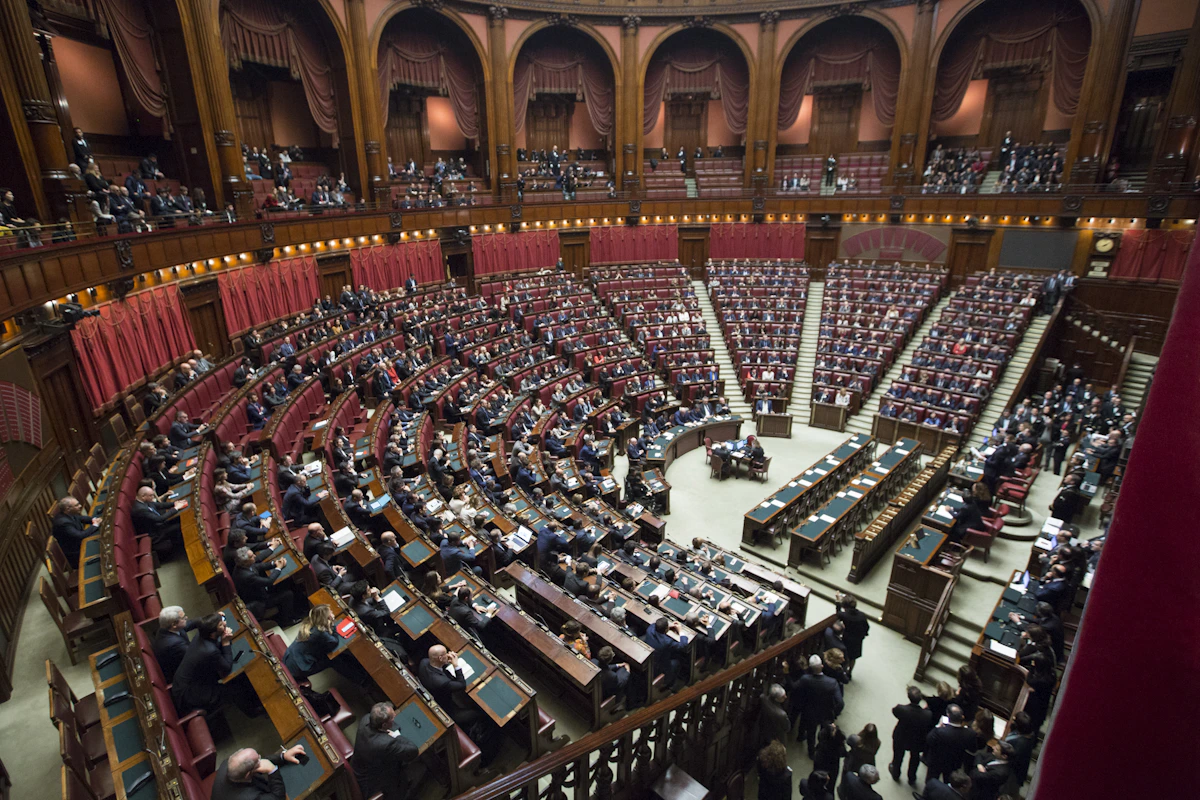
In 2022, the Constitutional Court ruled in Blind SA that parts of the Copyright Act were unconstitutional because they did not adequately accommodate people with visual and print disabilities. On 26 June 2026, the Court delivered judgment on the President’s referral of the Copyright Amendment Bill and Performers’ Protection Amendment Bill. The majority upheld the proposed fair-use provision in section 12A within the scope of the referral, while finding the proposed educational-copying exceptions in section 12D(1)–(5) unconstitutional.

Why it matters now

Copyright debates are about more than creators versus users. They also involve education, accessibility, equality, creative livelihoods and the constitutional limits of lawmaking. The judgment reviewed the Bills; it should not be mistaken for confirmation that every proposed amendment is already in force.

Constitutional Court judgment

This is an educational overview, not legal advice. Legislation and its commencement status can change; consult the linked primary sources for the current position.

Keep exploring

The story is still being written.

Modern IP systems are only one part of a much bigger story about creativity, knowledge, innovation and power. We’ll keep adding perspectives — including South African law and questions of Indigenous knowledge — as this resource grows.

Try the Creator IP Assessment